By Olivia Witthun, DNR Urban Forestry Coordinator in Plymouth, olivia.witthun@wisconsin.gov or 414-750-8744
Laura Buntrock, DNR Urban Forestry Partnership and Policy Specialist in Rhinelander, laura.buntrock@wisconsin.gov or 608-294-0253
Dan Buckler, DNR Urban Forest Assessment Specialist in Madison, daniel.buckler@wisconsin.gov or 608-445-4578
Ram Dahal, DNR Forest Economist in Madison, ram.dahal@wisconsin.gov or 715-225-3892
We know that urban forests are a vital component of our economy and environment, making significant financial contributions to local, state and national economies, as well as providing critical ecosystem services. But until recently, the economic contribution of urban forestry has typically been aggregated into the broader green industry.
Background On The Study
In the Urban Forestry Economic Study, a ground-breaking study led by the Wisconsin Department of Natural Resources and funded through a U.S. Department of Agriculture Landscape Scale Restoration grant, a comprehensive analysis of the economic contributions of urban and community forestry was completed across the Northeast-Midwest region, which includes 20 states and Washington, D.C. (Figure 1). This analysis includes economic impact numbers, employment numbers, industry outlook and a resource valuation.
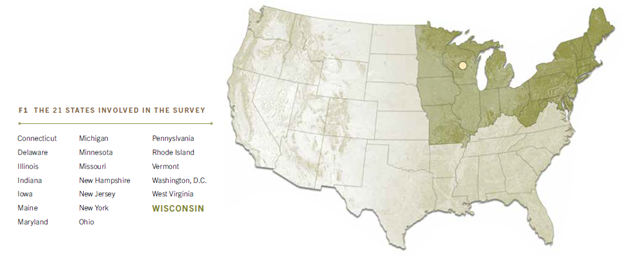
Figure 1. Map depicting the 21 states involved in the survey.
Continue reading “Urban Forestry Economic Analysis In Wisconsin” →

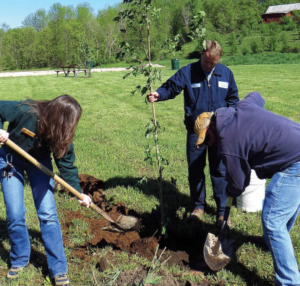 You may have participated in this survey led by DNR Urban Forestry Coordinator Don Kissinger in 2020 (if so, thank you!) Wisconsin municipalities with more than 2,500 residents were asked a series of questions about the types of trees they prefer to plant (such as root stock type and caliper size), which lesser-used species they had successfully planted, which species they cannot find but would like to plant, and whether they use a gravel bed. Continue reading “New DNR Publication: Results of the 2020 Diverse Urban Species Survey”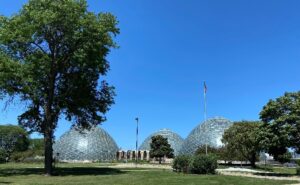
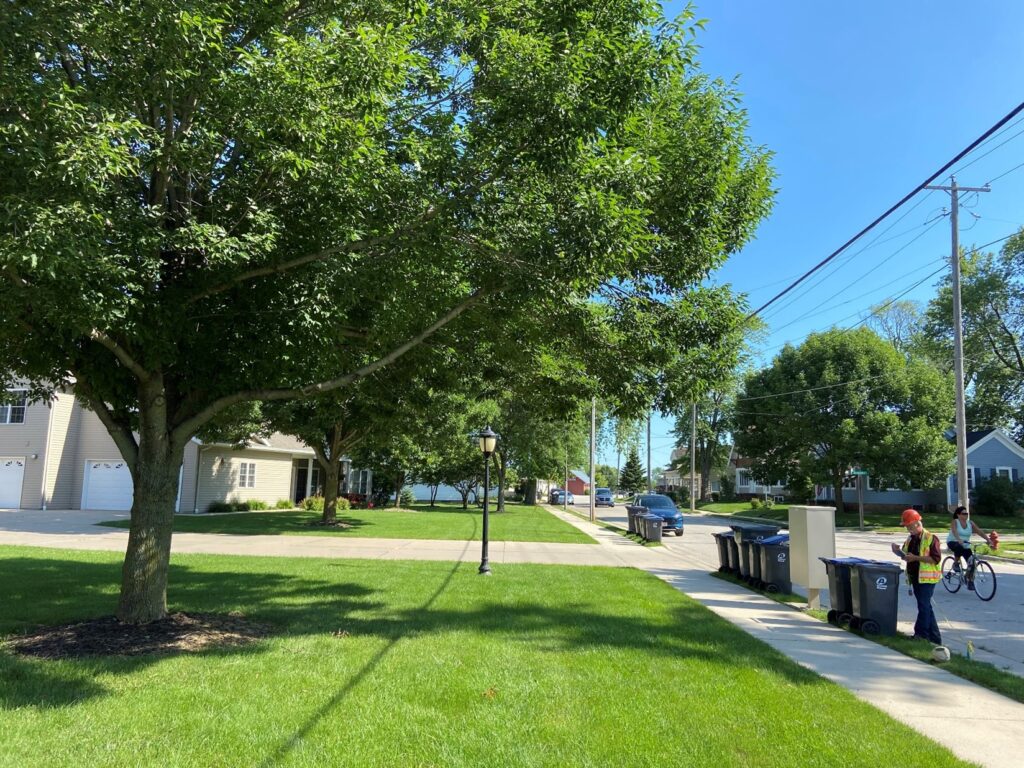 How many sugar maple trees grow in our urban areas? Which species are exhibiting health declines? How many logs can be produced from removed ash trees? What is the carbon storage of urban forests? Where are invasive species most prevalent?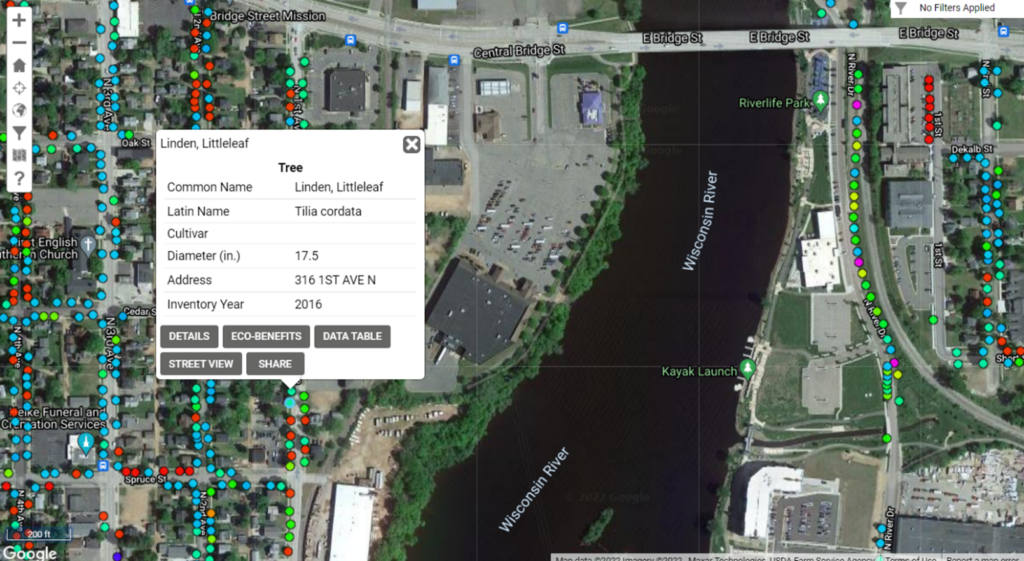
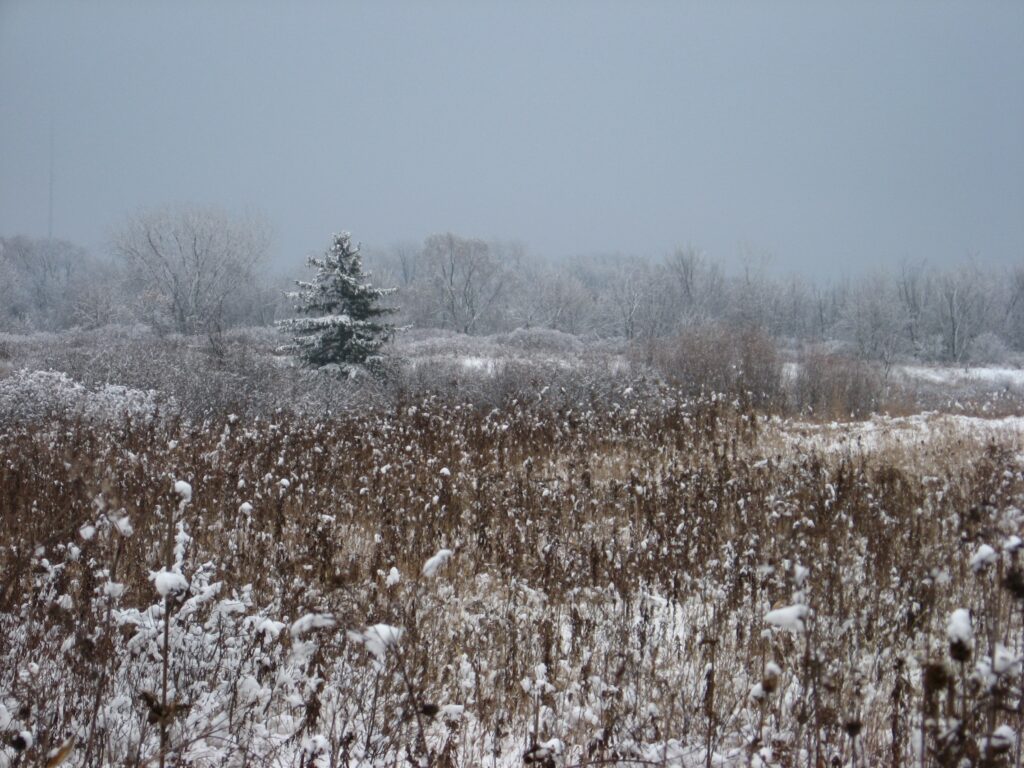 Sunlight fades, then sunlight grows. With those celestial rhythms surrounding the winter solstice, millennia of ritual have been shaped. Winter is historically an extremely dangerous time, in a way unfathomable to those of us with furnaces and stocked pantries. But at the winter solstice, something important happens: ever so gradually, the days start to lengthen, and there is hope that a bright, warm world will return.