By Dan Buckler, DNR Urban Forest Assessment Specialist, Madison, daniel.buckler@wisconsin.gov or 608-445-4578
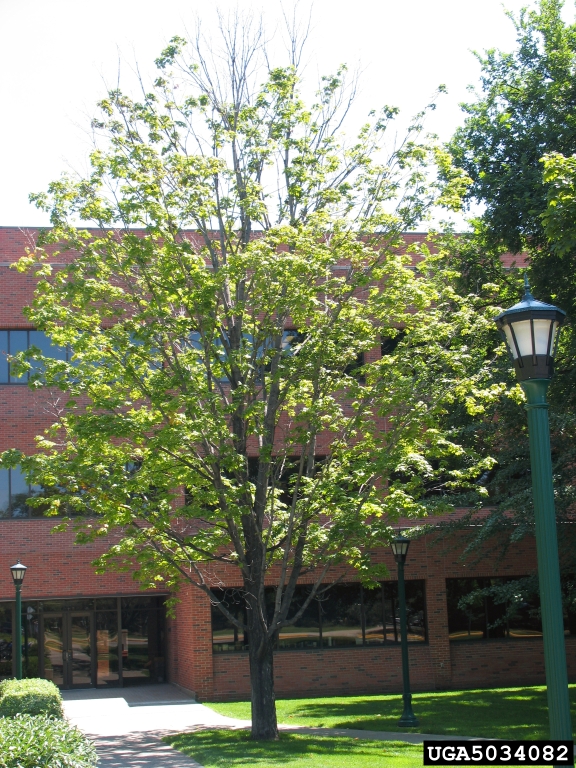
Joseph OBrien, USDA Forest Service, Bugwood.org
Monitoring for tree health enables managers to anticipate maintenance needs. However, health monitoring is often inconsistent, generic or requiring advanced knowledge of insect pests or diseases. There can be a better way, and this might be one.
Since 2015, the U.S. Forest Service (USFS) and The Nature Conservancy (TNC) have spearheaded a tree health monitoring initiative called Healthy Trees, Healthy Cities (HTHC) that uses a simple methodology for lightly trained observers to identify potentially problematic trees. Disparate organizations have successfully employed the procedure, from Boy Scouts to the New York City Housing Authority. And now, the Wisconsin DNR has partnered with USFS and TNC to incorporate the methodology into the Wisconsin Community Tree Map, should any communities or organizations be interested in trying it out. One does not need to have a current tree map license to pursue this effort.
 Project Learning Tree® (PLT) recently released a new curriculum guide to engage kindergarten through eighth-grade students in exploring the environment.
 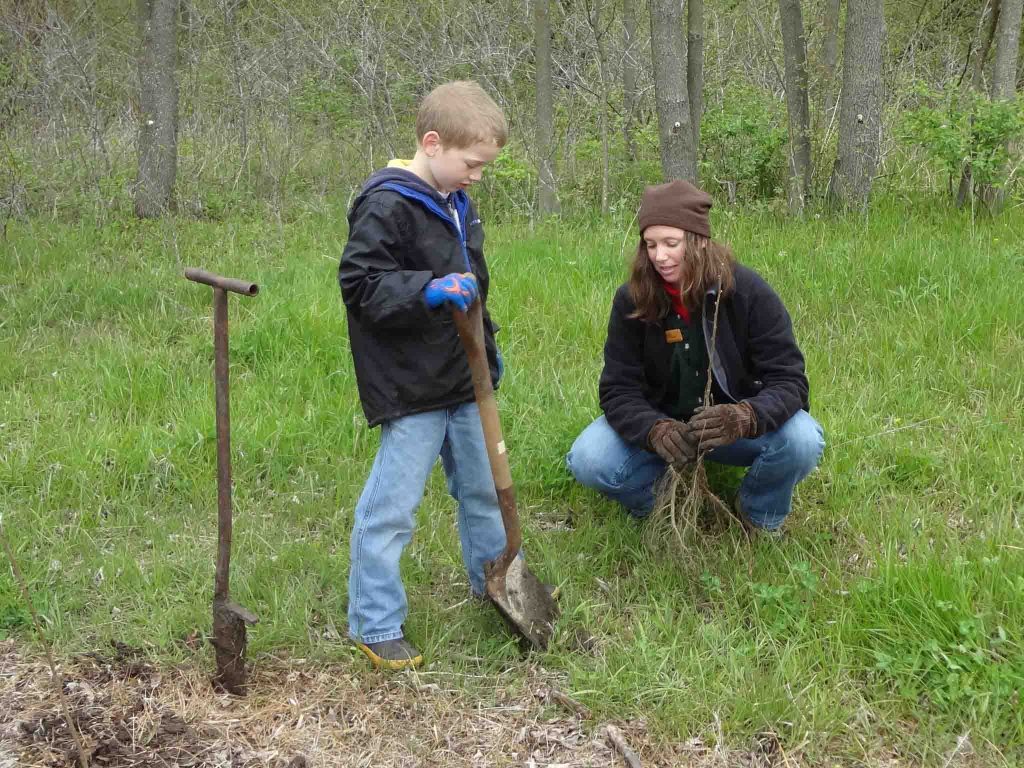 Due to the ongoing COVID-19 pandemic, the Arbor Day Foundation has suspended their requirement to hold a public Arbor Day celebration in 2021. Communities will be able to maintain their Tree City USA designations without meeting this standard. An Arbor Day proclamation is still a requirement.
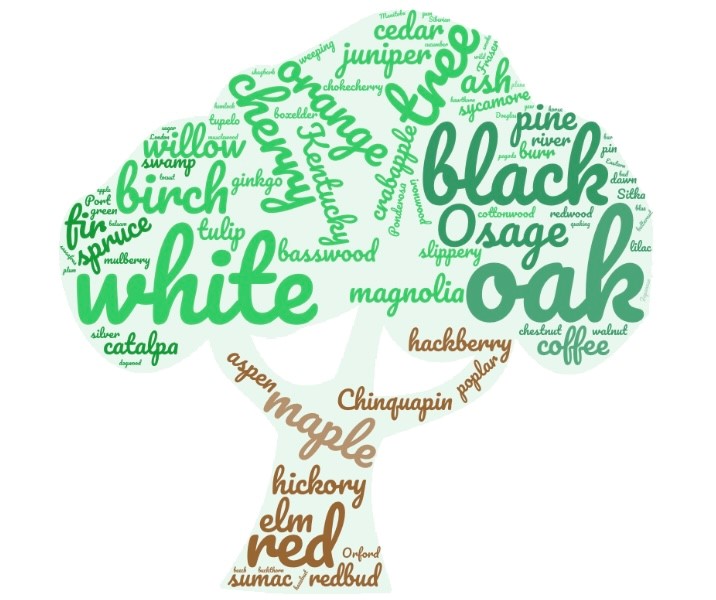 “What kind of tree should I plant?” We are often asked that question as urban foresters. For me, the first thing that comes to mind is, “not a maple!”
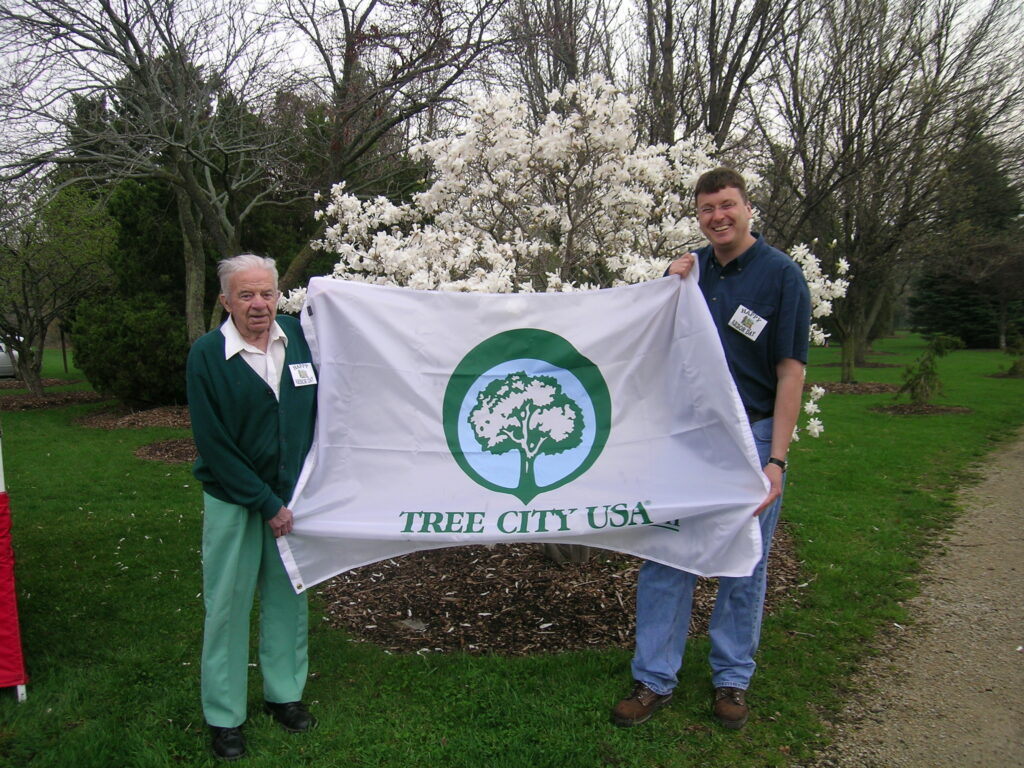 Tree City, Tree Campus and Tree Line USA program participants: please review the Arbor Day Foundation’s following expectations regarding the 2021 program recognition standards.