
In collaboration with Wudeward Urban Forest Products, the Forest Exploration Center officially broke ground to launch the first of many educational plans for the open spaces of the property.
The new Urban Forest interpretive area will include exhibits and guided demonstrations. Visitors will explore the beauty, form and structure of this diverse selection of trees fit for the urban environment and discover that urban forests, like their rural forest counterpart, are also dynamic ecosystems that provide critical benefits to people and wildlife.
Our fine partners at the Wisconsin DNR’s division of Urban Forestry selected the tree species and designed the planting space. Species were chosen as those best to thrive in urban environments and represent the wide range of possibilities available to visitors interested in learning more about identifying, planting, and caring for trees in their own neighborhood.
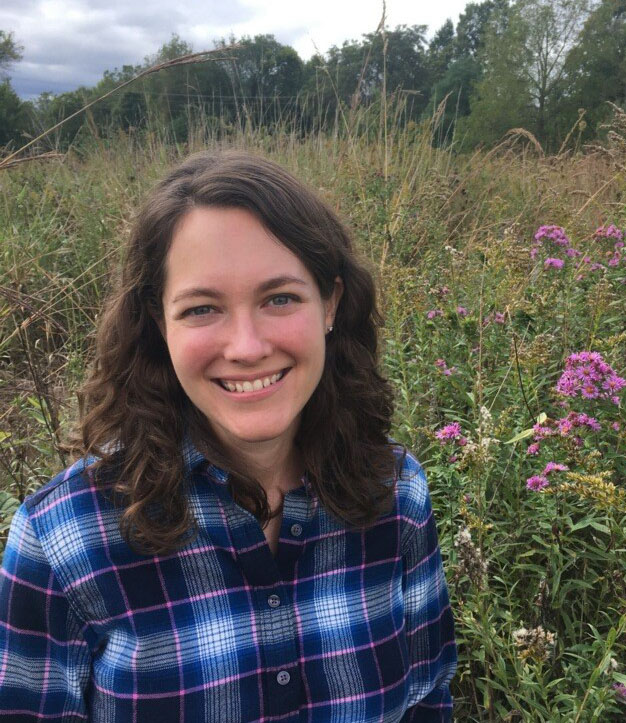 I am very pleased to announce that Patricia Lindquist has accepted the North Central Regional Urban Forestry Coordinator position. Patricia’s first day was Nov. 8, and she is based in Wausau. She is very excited to be continuing her career at the DNR and taking on new challenges.
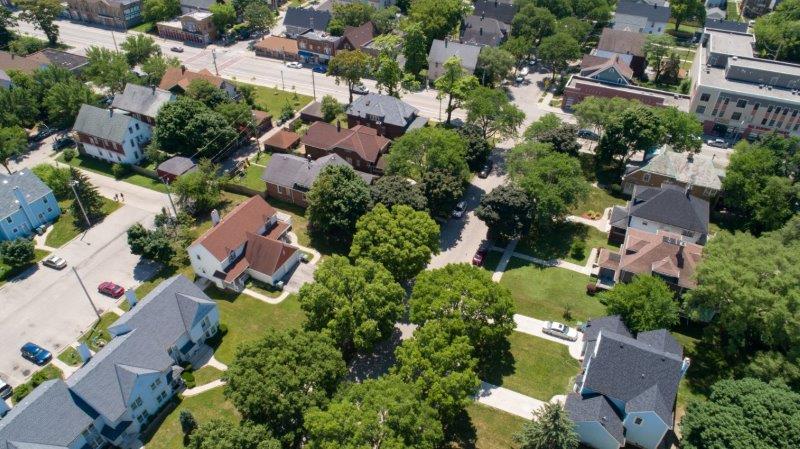 When I returned to my hometown neighborhood in northeast Ohio this past August, I was delighted to rekindle my friendship with so many trees that I have known most of my life. There are, of course, the Norway maples and crabapples and blue spruces found in maintained spaces throughout eastern America. One also finds a fair number of sugar maples and Ohio buckeyes. But despite apparently living in a democracy, red oak is king of my neighborhood.
 For years, the economic contribution of urban forestry has been lumped together with broader green industry numbers. Several years ago, the Wisconsin DNR took the lead in a Landscape Scale Restoration Grant-funded project for the Northeast-Midwest region looking at the contributions of urban forestry. Regional and state-level reports will be available in Spring 2022.
 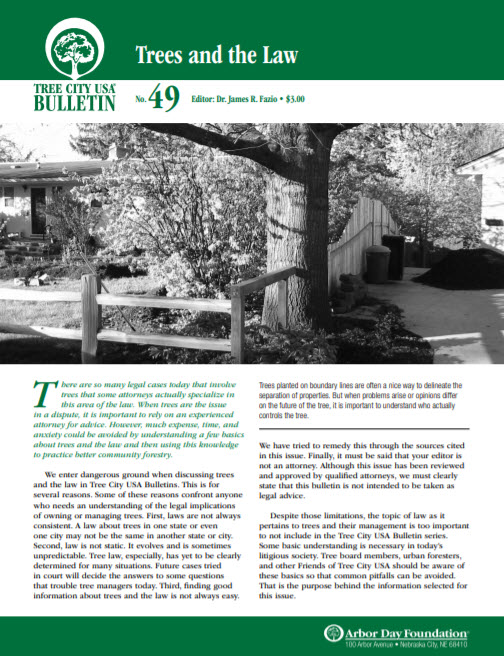 The Arbor Day Foundation publishes more than 100 Tree City USA Bulletins on a wide range of topics. They’re now available to download for FREE!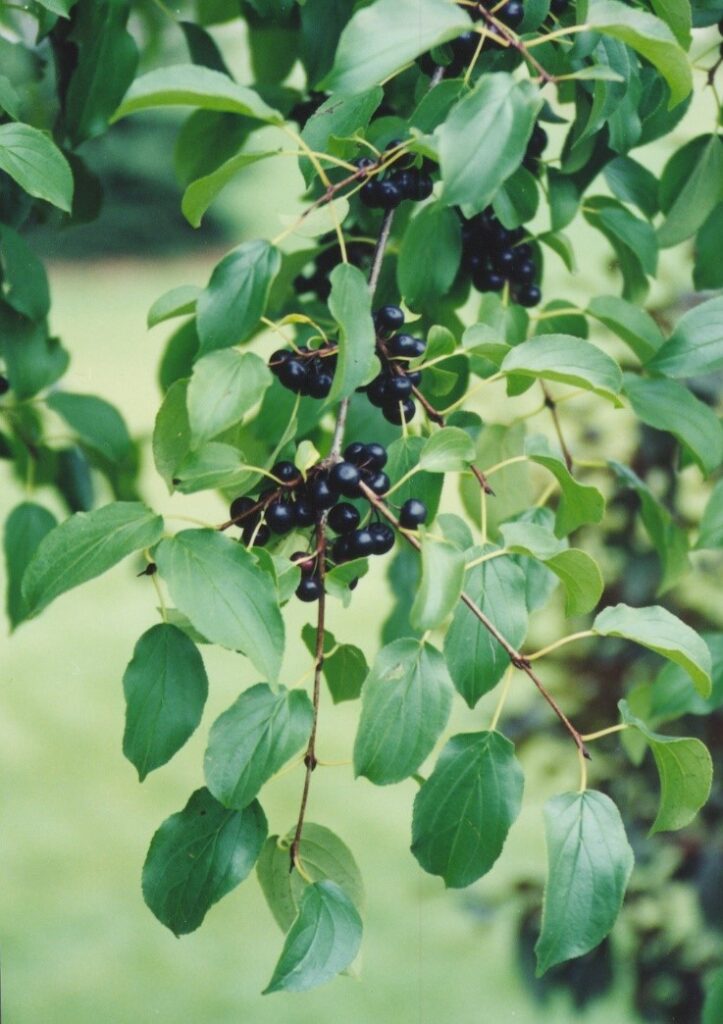
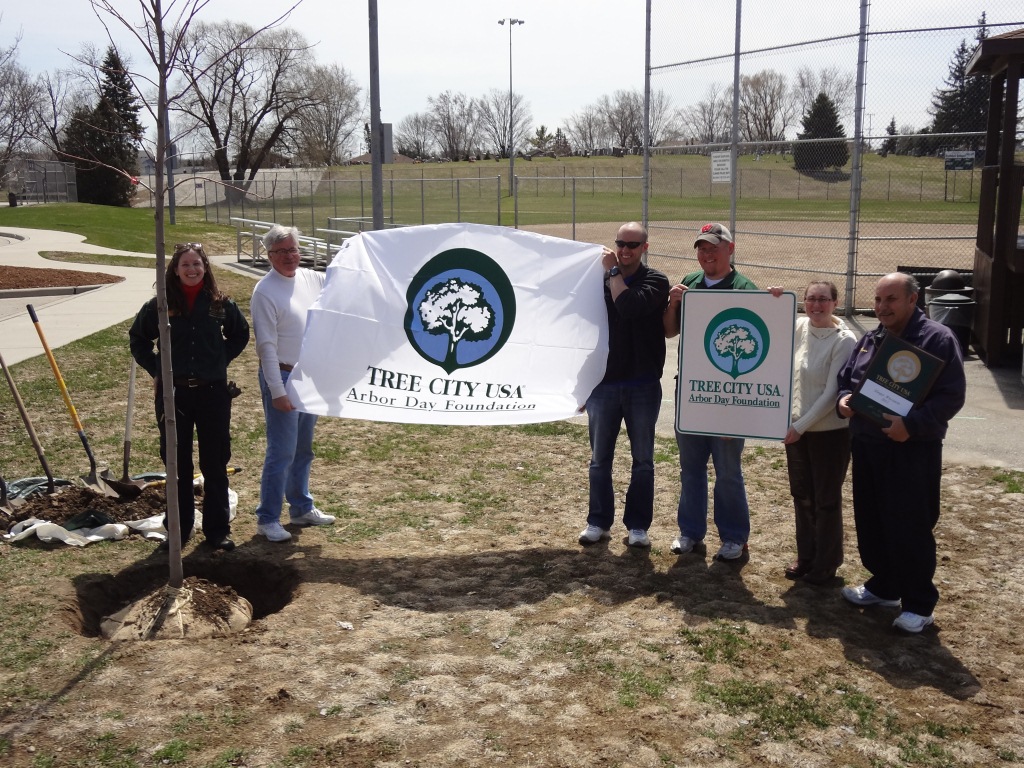 Did you know that Wisconsin had 201 Tree City USAs this year? It’s the first time we’ve crossed the 200 threshold!