The Wisconsin Department of Natural Resources soon will launch an email survey of Forest Health News subscribers. / Graphic Credit: Wisconsin DNR
By Art Kabelowsky, DNR Forest Health Outreach and Communications, Fitchburg Service Center;
Arthur.Kabelowsky@wisconsin.gov or 608-335-0167
Every five years or so, the Wisconsin Department of Natural Resources (DNR)’s Forest Health Team surveys the readership of the Forest Health News to gain insight into the types of articles our readers find most valuable and interesting.
The next survey should arrive in your email folders within the next few weeks.
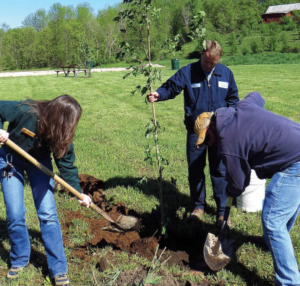 You may have participated in this survey led by DNR Urban Forestry Coordinator Don Kissinger in 2020 (if so, thank you!) Wisconsin municipalities with more than 2,500 residents were asked a series of questions about the types of trees they prefer to plant (such as root stock type and caliper size), which lesser-used species they had successfully planted, which species they cannot find but would like to plant, and whether they use a gravel bed.
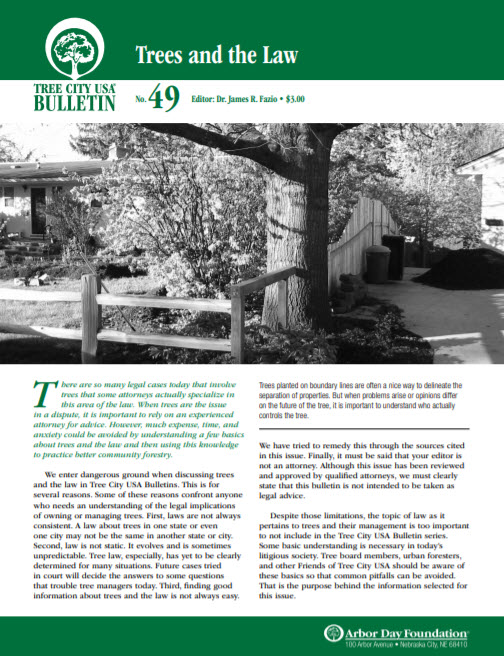 The Arbor Day Foundation publishes more than 100 Tree City USA Bulletins on a wide range of topics. They’re now available to download for FREE!
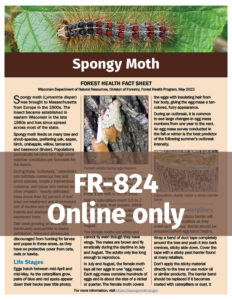
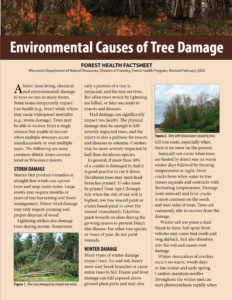 The DNR Forest Health team recently updated its factsheet on common forms of abiotic (non-living, chemical and environmental) damage to trees in Wisconsin.
 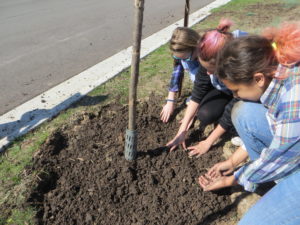 Every wonder if you can successfully plant trees in the fall? Which species are suited to a fall planting and which aren’t? Check out
  The professionally-designed version of the Heterobasidion root disease (HRD) stump treatment guidelines is now posted on