By Olivia Witthun, DNR urban forestry coordinator, Plymouth, olivia.witthun@wisconsin.gov, 414-750-8744
 Wisconsin’s urban forests provide a wide range of ecological, economic and social benefits. Urban areas contain nearly 27 million trees with an estimated total replacement value of almost $11 billion. Many don’t realize all the services urban forests provide. They reduce air pollution, mitigate storm water runoff, conserve energy, provide wildlife habitat, increase property values, and attract businesses, tourists and residents. They even improve public health and well-being. The Wisconsin DNR’s Urban Forestry Team seeks to maximize these benefits derived from our state’s community tree canopies.
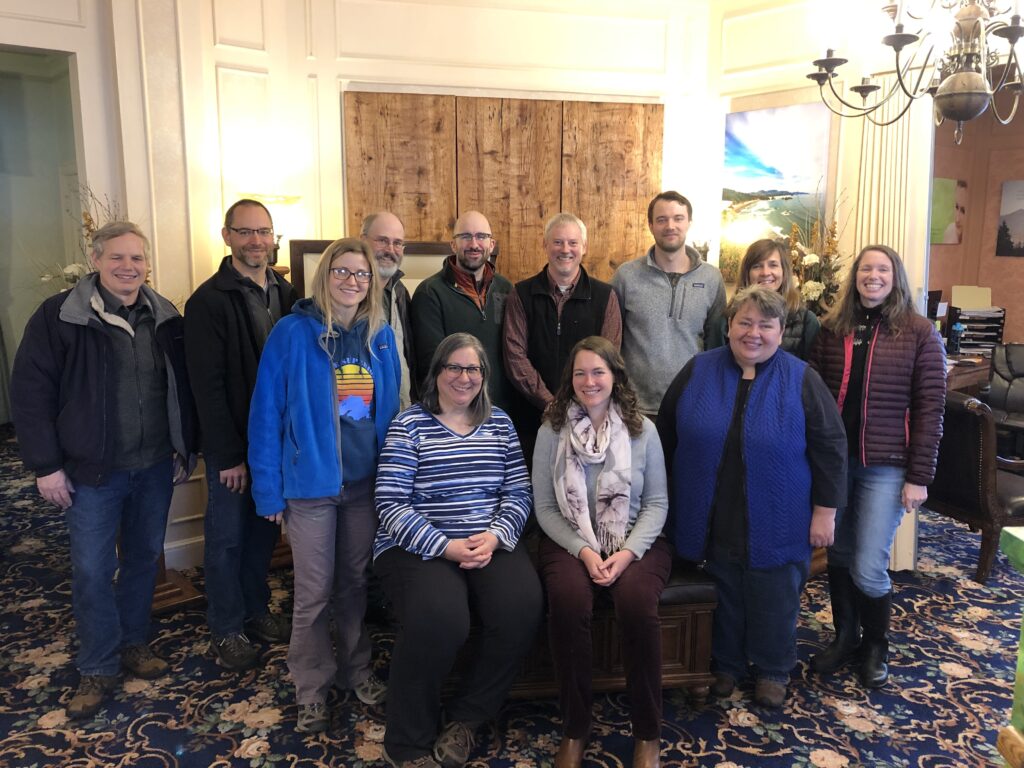
Thirteen people are part of the DNR Urban Forestry Team, and six of those are Urban Forestry Coordinators (UFCs). Each UFC serves a different region, and within that region, we mainly serve city foresters, local government tree managers and other partners. (UW Extension serves homeowners.) Your UFC is your go-to contact for all things urban forestry.
Continue reading “What does a DNR Urban Forestry Coordinator do?”
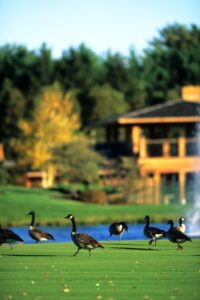 The Wisconsin DNR is currently accepting applications for Urban Wildlife Damage Abatement and Control (UWDAC) grants. UWDAC grants are available to any town, city, village, county or tribal government located within an urban area (
 Sponsored by the Arbor Day Foundation, the Partners in Community Forestry Conference is the largest international gathering of urban forestry practitioners, advocates, researchers, and government leaders. The virtual format this year provides an excellent opportunity to attend this leading conference so easily and inexpensively.
 The newly launched Healthy Trees, Healthy Lives website (