
In 1854, J. Sterling Morton, a prominent newspaper editor and publisher, moved from Detroit to what is now Nebraska. He and other pioneers noticed a need for trees, which could act as windbreaks to stabilize the soil and give shade from the sun. Morton planted many trees around his own home and encouraged others to do the same.
On Jan. 4, 1872, he proposed a holiday to plant trees on April 10 that year. This was known as “Arbor Day.”
Individuals and counties that planted the most trees that day received prizes. About one million trees were planted in Nebraska on the first Arbor Day. Over the next 150 years, Arbor Day celebrations have spread to all 50 states and around the world.
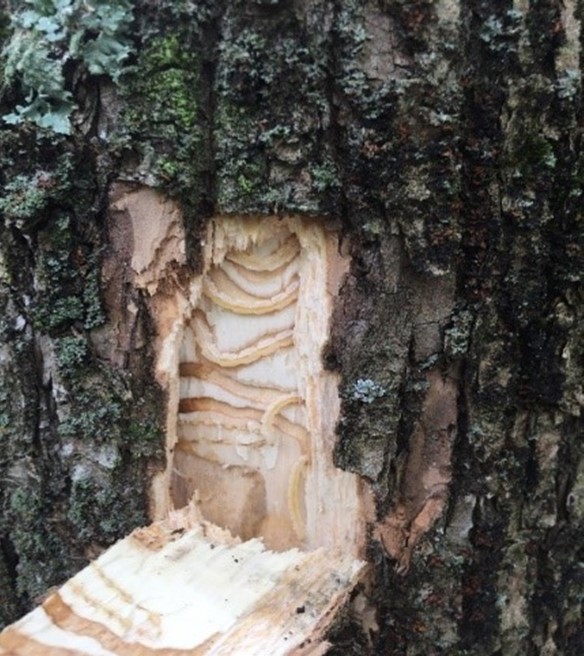
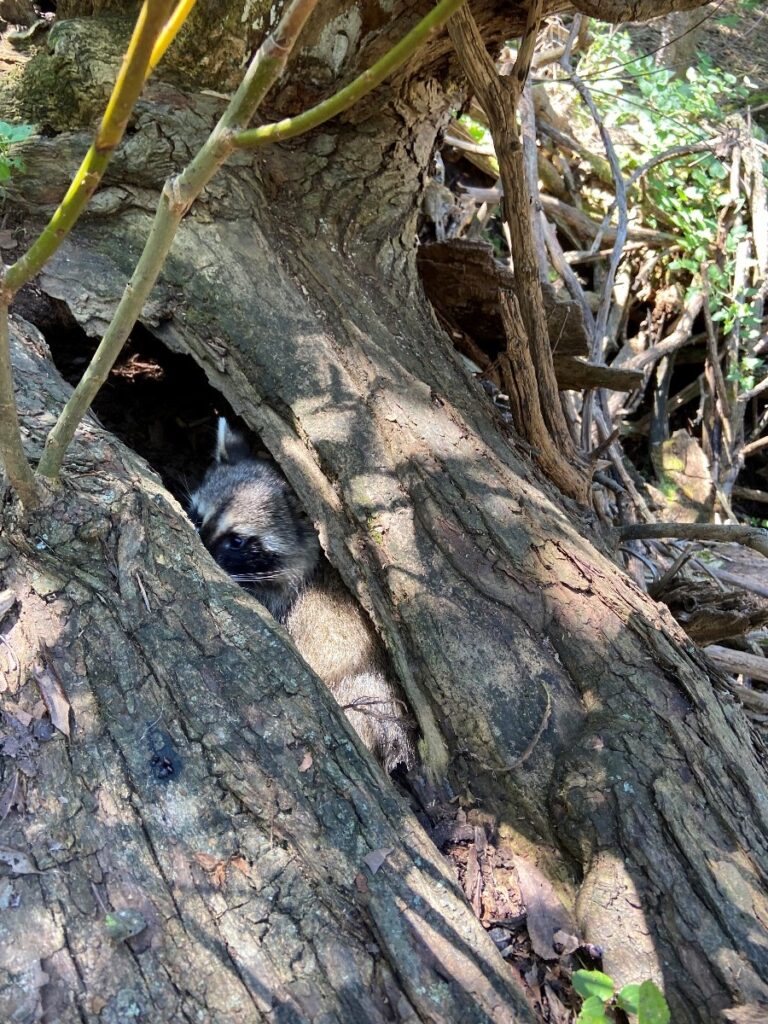 There’s a beloved Calvin and Hobbes strip in which the famous duo unearths routine items (rocks, roots, grubs) while digging a hole, but are nonetheless awestruck by what they found, exclaiming “there’s treasure everywhere!”
 How many sugar maple trees grow in our urban areas? Which species are exhibiting health declines? How many logs can be produced from removed ash trees? What is the carbon storage of urban forests? Where are invasive species most prevalent?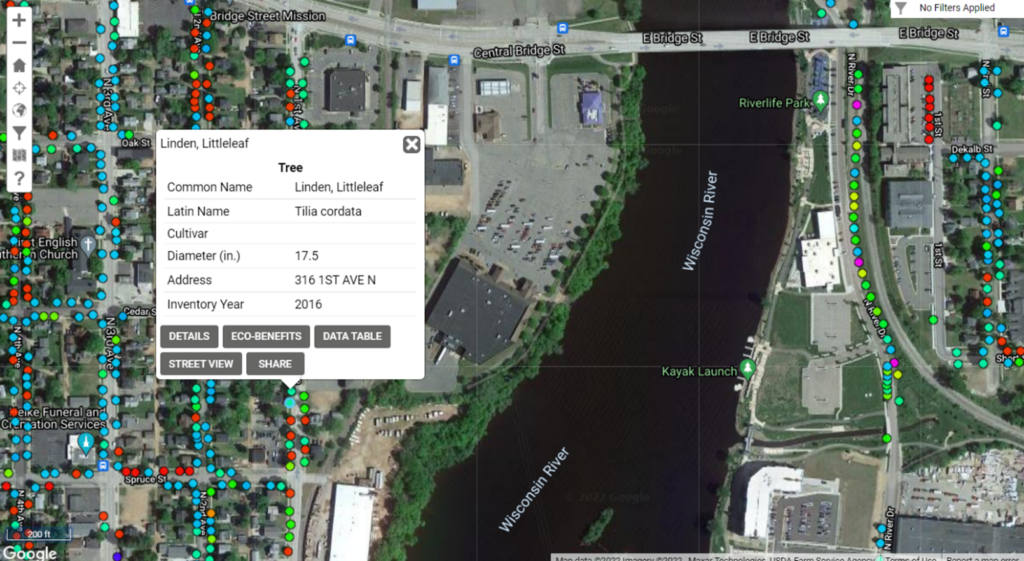
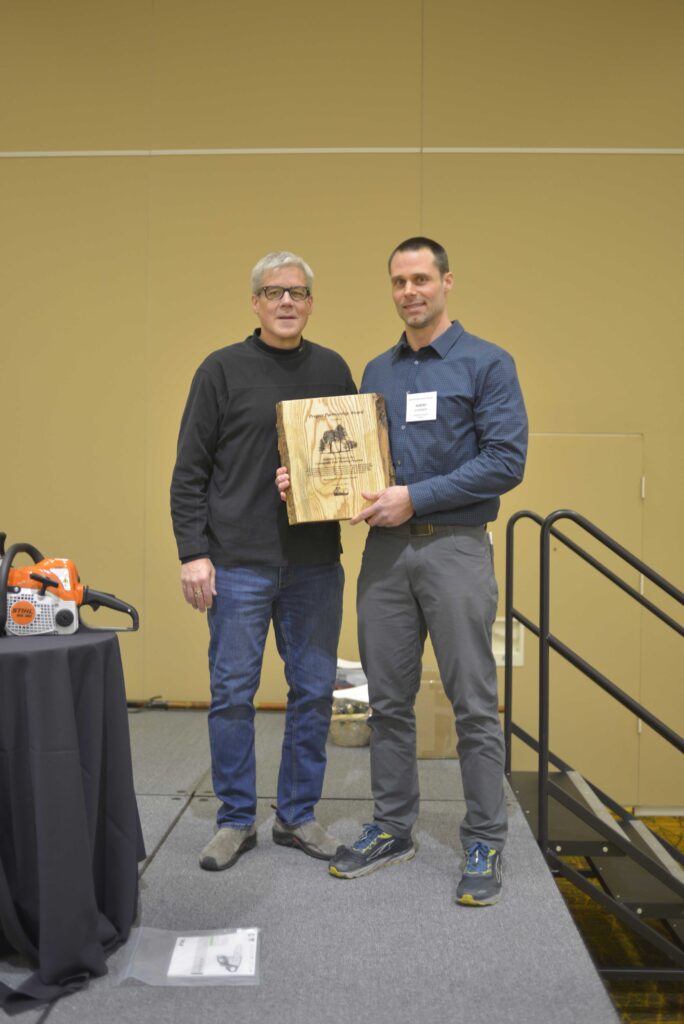 The Wisconsin Urban Forestry Council recently announced their annual awards honoring those dedicated to protecting, preserving and increasing the number of trees that line city streets, fill community parks and enhance neighborhoods throughout the state.